Bududa & Manafwa: Bees, Trees, and Landslide Resilience
Stephen Bright Sakwa, Overall project lead
Simon Peter Okoth, Project co-lead, Phase I & II
Lilian Daphine Lunyolo, Project Host
On the steep, fertile slopes of Mount Elgon, Bududa district is known for its beauty and for the deadly landslides that have claimed lives and livelihoods. Here, deforestation and poor land management have left hillsides exposed, and climate-induced rainfall turns vulnerability into horrific disasters. Despite knowing the dangers of deforestation, locals are constantly left to continue because they lack viable alternatives.
Phase I: Bududa District
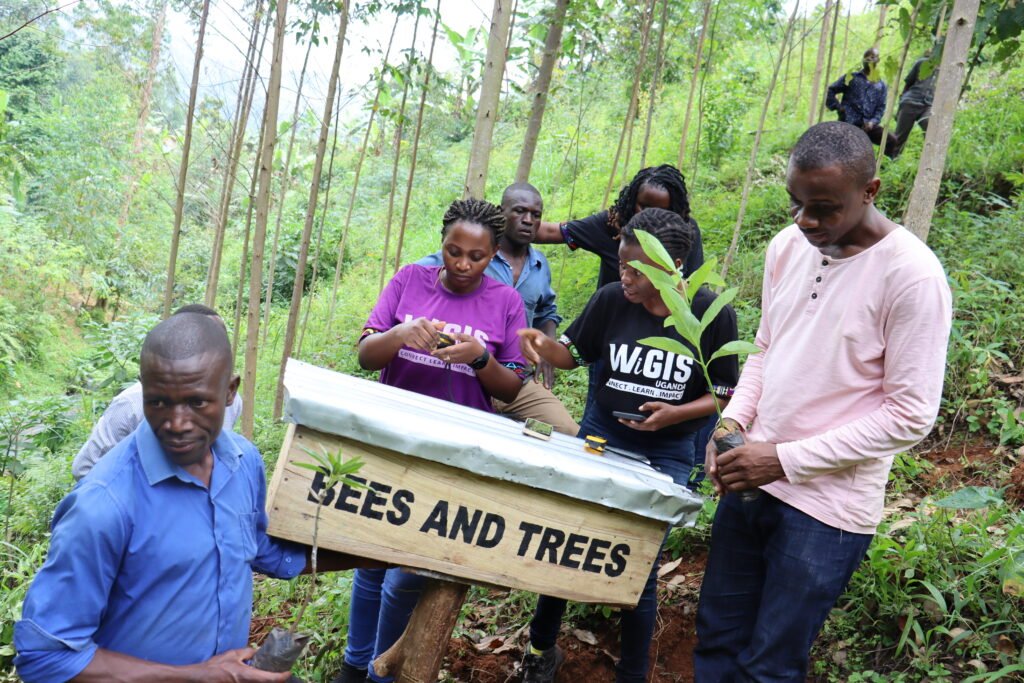
Phase I centered on Bees and Trees Uganda, a local initiative led by Stephen Bright Sakwa and Simon Peter Okoth at that time. The project delivered over 1,000 bee-forage seedlings to farmers and trained them in agroforestry techniques, spotlighting beekeeping as both a conservation measure and a source of income. Farmers learned to integrate trees into their cropping systems, stabilizing soils while producing honey and other honey-related products.
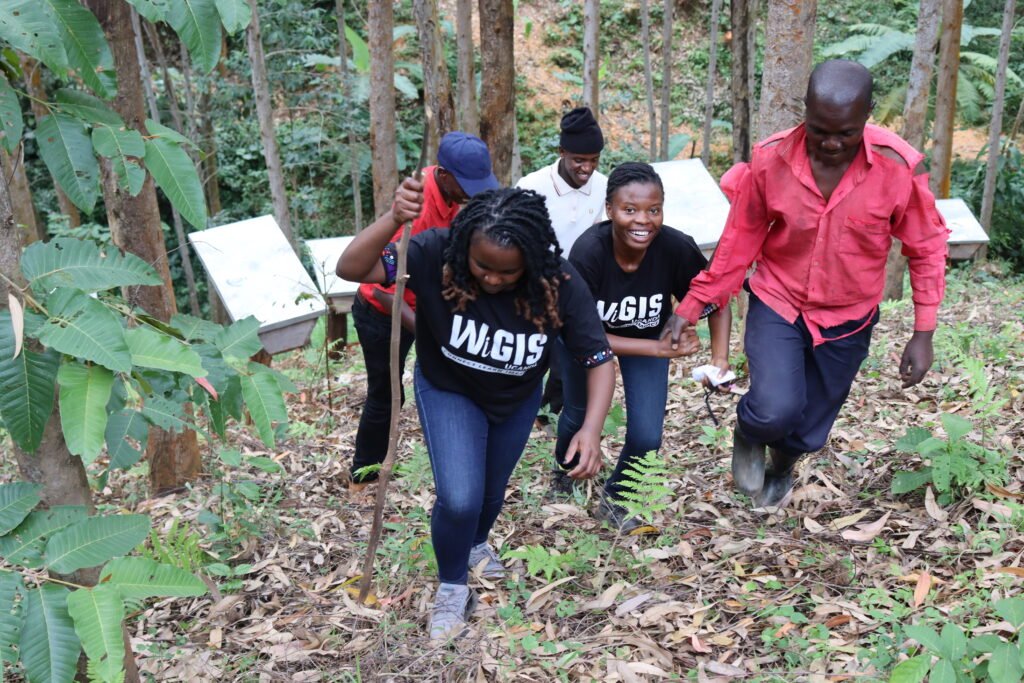
Women in GIS (WiGIS) Uganda was a key collaborator in mapping the locations of the tree plantings. Two members, Acom Charity and Lilian Kempango, coordinated the mapping exercise. However, the terrain and weather during the visit prevented us from completing the exercise in a single day. WiGIS, therefore, trained leaders to capture coordinates and attempt to map the trees planted regularly. However, we discovered that the training would not be fruitful among middle-aged members of the community, who were most of the participants in Phase I.
Phase II: Bududa and Manafwa District
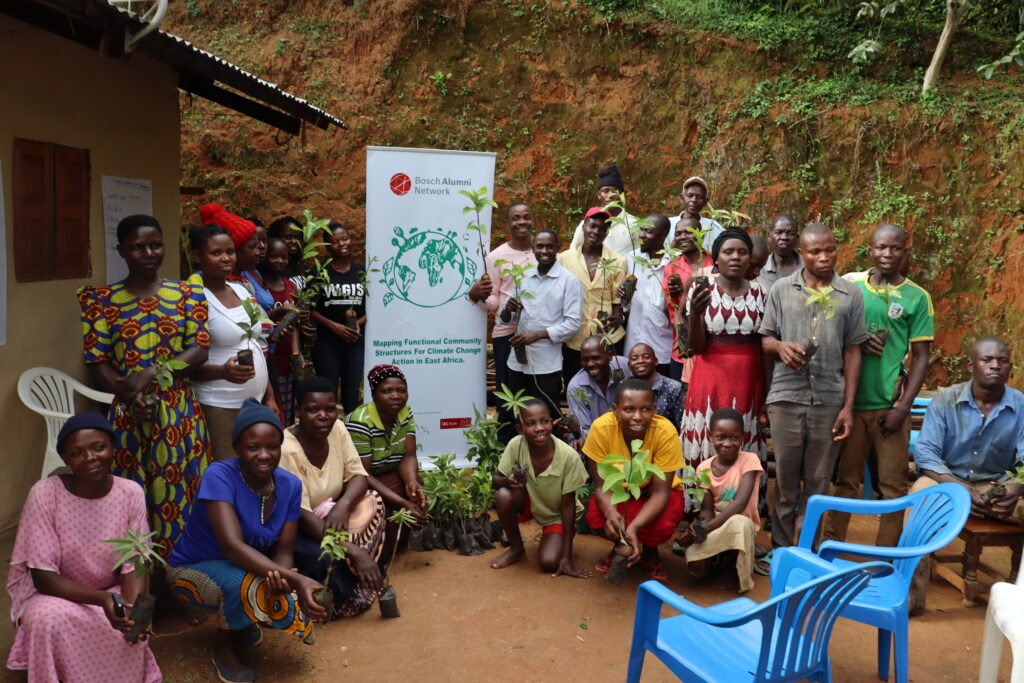
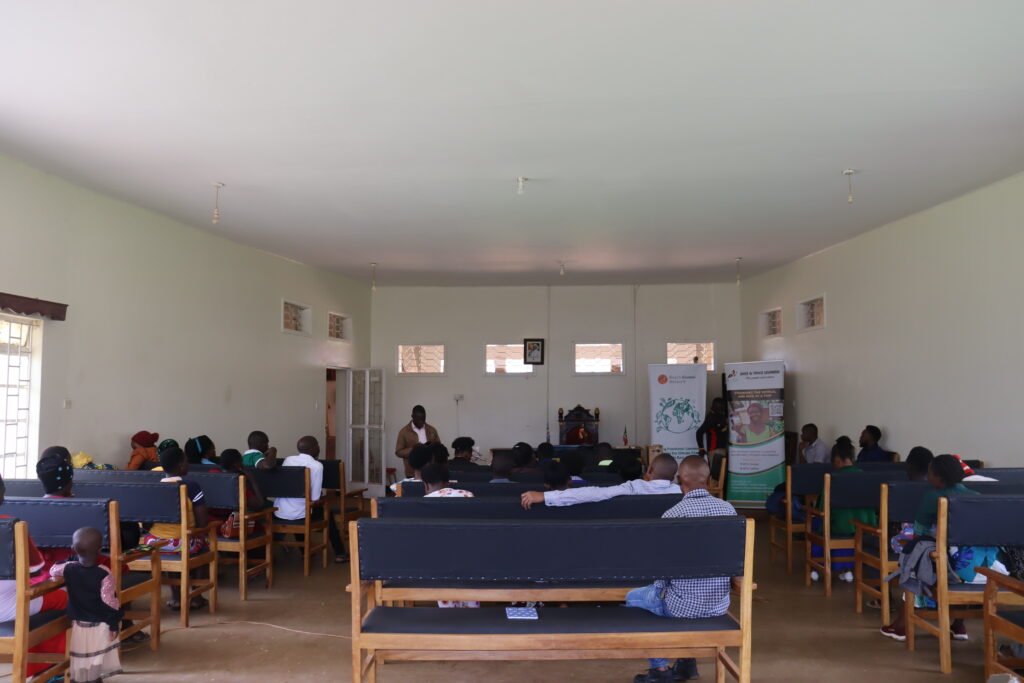
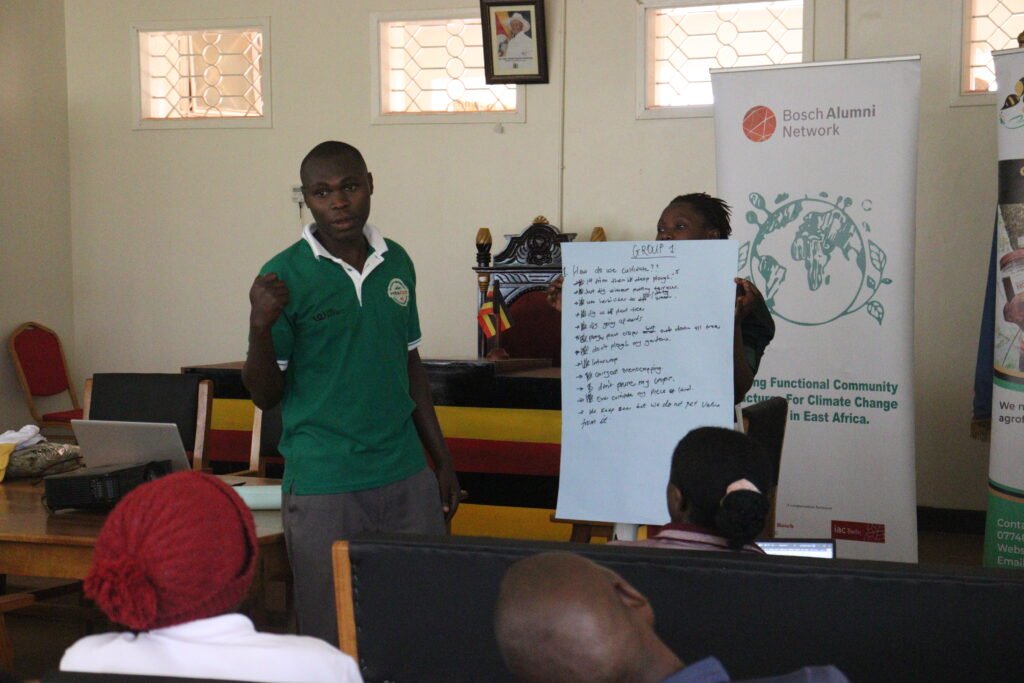
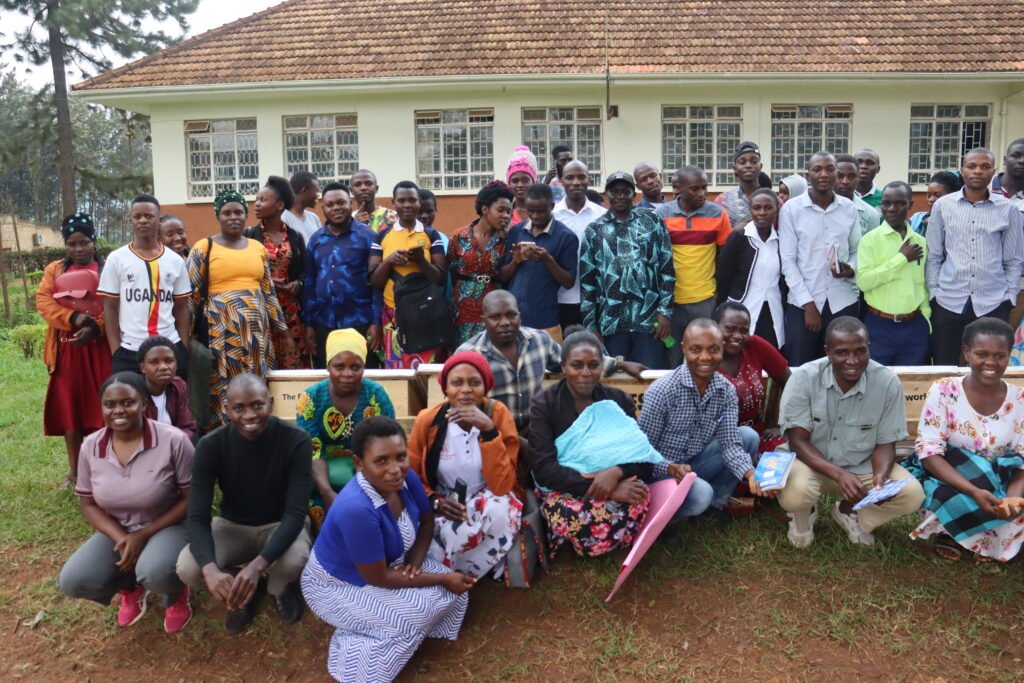
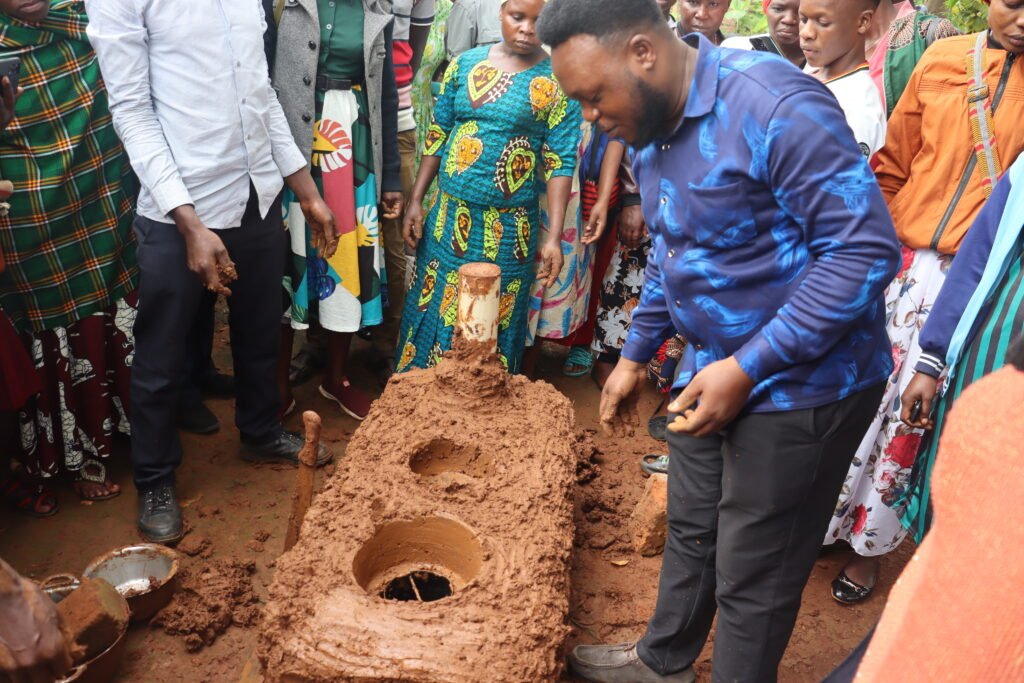
The second activity, therefore, ensured a fair distribution of age and gender, ultimately replicating the model in the neighbouring district of Manafwa. The project trained 100 participants, 75% of whom were youth from both Bududa and Manafwa. Participants were trained in sustainable land management, tree planting, beekeeping, and constructing energy-saving stoves. They received 500 seedlings and 20 beehives, distributed among groups of 10 to foster collective action and monitoring. These groups of 10 were also encouraged to form savings groups to guide their financial management and ensure the sustainability of the beekeeping exercise.
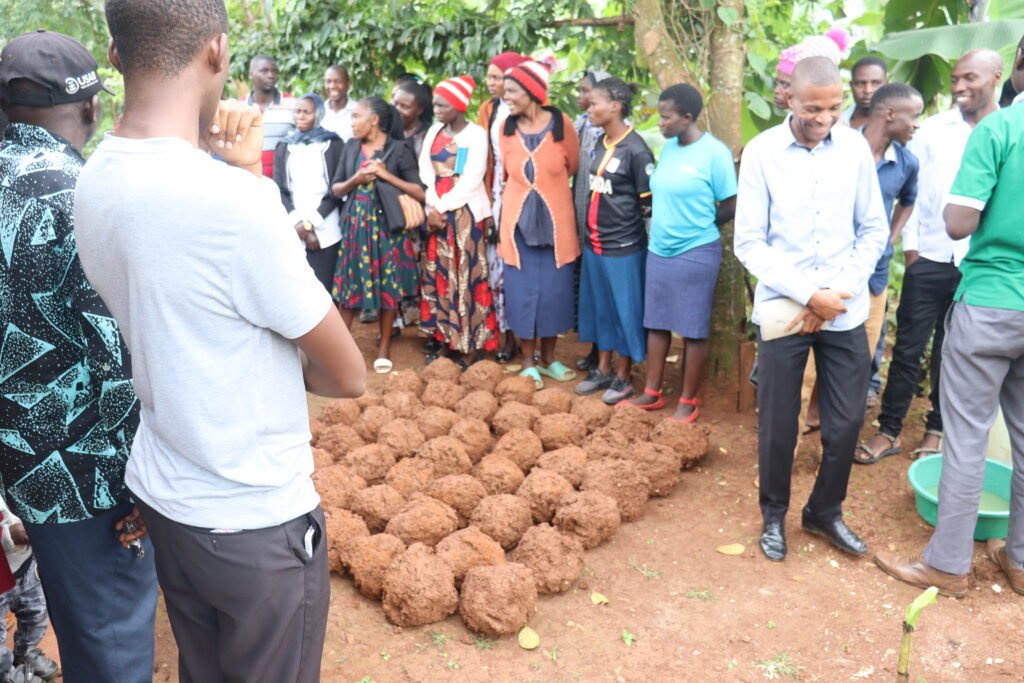
Preliminary results indicate that beekeeping is a viable land-management practice that also provides livelihoods. Additionally, participants were equipped with practical clean-cooking skills by an expert, Dennis Ikanza, who demonstrated how to make permanent, energy-saving stoves from clay, soil, and water. Furthermore, David Wandeba from Bees and Trees Uganda facilitated an informal networking session for youth who committed to being responsible stewards of the environment.
The project lead coordinated the experiences in Bududa and Manafwa, Lilian Daphine Lunyolo. Their outcomes reinforced another truth of this project: functional structures are not always formal. Sometimes they are networks of trust, built farmer-to-farmer, that can mobilize quickly and adapt to changing conditions.