Kenya: Teachers as Climate Catalysts



Phase I: Building the foundation
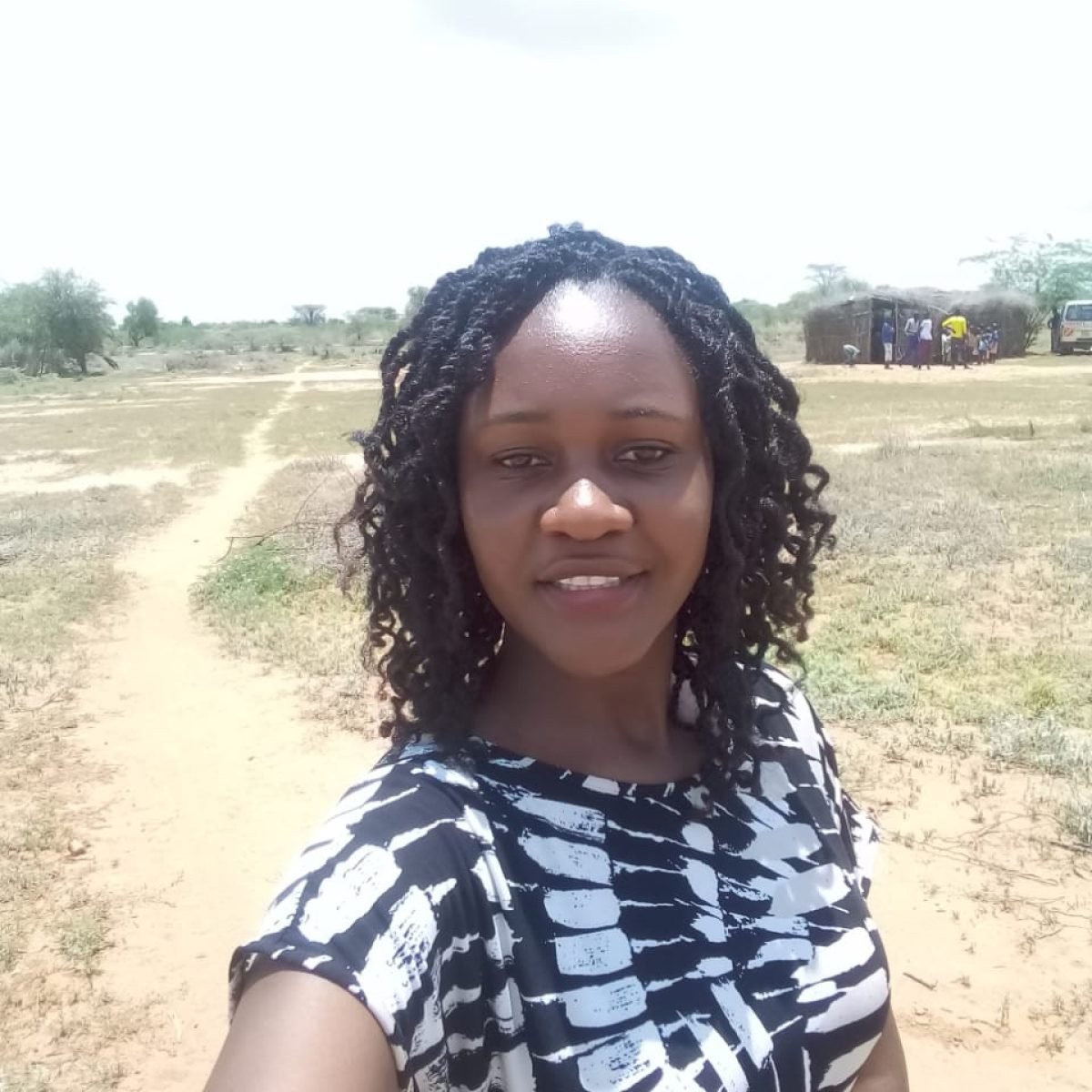
In 2022, a group of Teach for Kenya fellows, young educators trained to deliver more than just academics, attended a fireside chat with Rachel Vichei, their peer and the first Bosch Alumni Network’s Climate Change Impact Field Host, Lilian Daphine Lunyolo. The conversation planted a seed: that teachers could be catalysts for climate action, not only in their classrooms but in the communities they serve.
By 2023, these fellows, hosted by John Muia, had identified a pressing issue in Mitaboni village, Machakos County: the need for sustainable food production to support vulnerable schoolchildren. Machakos County experiences erratic rainfall and prolonged dry spells have made rain-fed farming increasingly precarious.
Coordinated by Mary Namukose, a Bosch Alumni Network member and co-founder of WiGIS, these catalytic teaching fellows partnered with village elders and an organic farming expert. The expert trained community members to make the most of small living spaces by growing nutrient-rich foods with harvested rainwater and household bio-waste. The elders, already practising water harvesting to cope with dry seasons, embraced these techniques as a practical adaptation to climate stress.
Phase II: From the Field to Classrooms
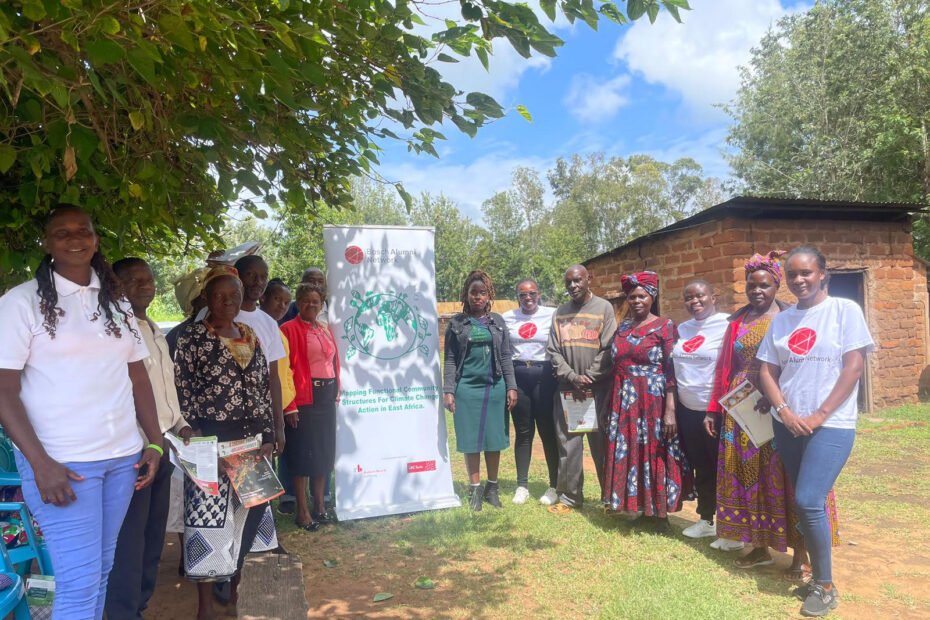
Led by Rachel Vichei, Sharon Nga’ayo, John Muia, and Esther Gacigi, brought the work into the classroom. On 12 April 2025, at Voluntari Academy in Nairobi, 20 teachers from Nairobi, Kisumu, and Machakos counties, along with nine students aged 10–18, gathered for a Climate Education Training. The training aimed to equip educators with the knowledge and tools to integrate climate change into everyday teaching and inspire students to become “Planet Protectors.”
During the training, teachers had the opportunity to reflect on how the climate had changed since their own childhoods, from predictable rainy seasons and higher yields to today’s erratic weather and harsher extremes. They explored the “local science” of climate change, its local impacts, and its effects on learners, including heat-related health issues, absenteeism, and school closures during extreme weather events like the 2024 floods.
Teachers learned to:
- Embed climate concepts into Kenya’s Competency-based Curriculum.
- Use co-curricular activities, from storytelling to nature walks, to make climate lessons tangible.
- Design age-appropriate, inquiry-based climate change-related learning for early childhood and primary levels.
- Support student-led climate change projects that address real community challenges.
The student track was hands-on and creative. After an “eco-name game” icebreaker, they watched videos on the Sustainable Development Goals (SDGs), the causes of climate change, and practical measures for mitigation and adaptation. They then created art around four themes:
- Miti ni Uhai (Trees are Life)
- Reduce, Reuse, Recycle
- Turn It Off, Save Energy
- Weka Takataka Mahali Pake (Put Trash in Its Place)
Each student made a personal pledge, displayed on a “pledge tree”, a visual reminder of their commitment.
Pre-training assessments showed that, while students recognized environmental problems such as pollution and deforestation, their understanding of the causes and solutions of climate change was limited. Post-training, both teachers and students demonstrated stronger knowledge, more precise action steps, and a heightened sense of personal responsibility.
This experience in Kenya showed that functional local structures can be professional networks, such as teachers, and that when they are mobilized, they can influence both the next generation and the communities those children belong to.