Entebbe: Waste, Water, and the Untapped Power of SACCOs


Entebbe, perched on the shores of Lake Victoria, is a municipality where beauty and vulnerability coexist. The lake is a lifeline for fishing, transport, and water supply, but it is also a sink for untreated waste. Poor waste management has become both an environmental and public health crisis, with flooding events washing debris into the lake and back into communities.
Entebbe Municipality, home to Uganda’s main international airport, is the country’s front door, the first glimpse visitors see. With its lush lakeside setting and vibrant streets, it’s a place of beauty and pride. Local authorities and residents work hard to maintain this image through tree-planting drives and drainage maintenance, safeguarding both aesthetics and public health.
Yet behind the postcard views lies a growing crisis: waste generation outpacing collection capacity. Nationally, only about 37% of solid waste is collected and properly disposed of, according to a 2024 report by the National Environment Management Authority (NEMA). Most collections are handled by private operators, whose fees remain out of reach for many households. Entebbe is no exception to the low rate of solid waste management. Without affordable options, residents resort to dumping waste into nearby wetlands such as Namiro Swamp.
Along the Lake Victoria shoreline, where most residents live and run small businesses, waste is often washed directly into the lake. Burning is the most common method of disposal. Yet, it releases greenhouse gases, and unburnt, non-biodegradable waste clogs waterways, poisons aquatic life, and fuels flooding in low-lying villages like Kiwafu, Nakiwogo, and Kigungu. The result is a triple threat: public health risks, biodiversity loss, and economic disruption for lakeside livelihoods.
Phase I: Building the foundation
At the onset of this project in 2023, we considered the case of Saving and Credit Cooperative Organisations (SACCOs), trusted community savings groups with deep roots and strong convening power. There are several success stories of community transformation through these structures, and we were intrigued to learn more about their existence and how they could be leveraged for sustainable climate action.
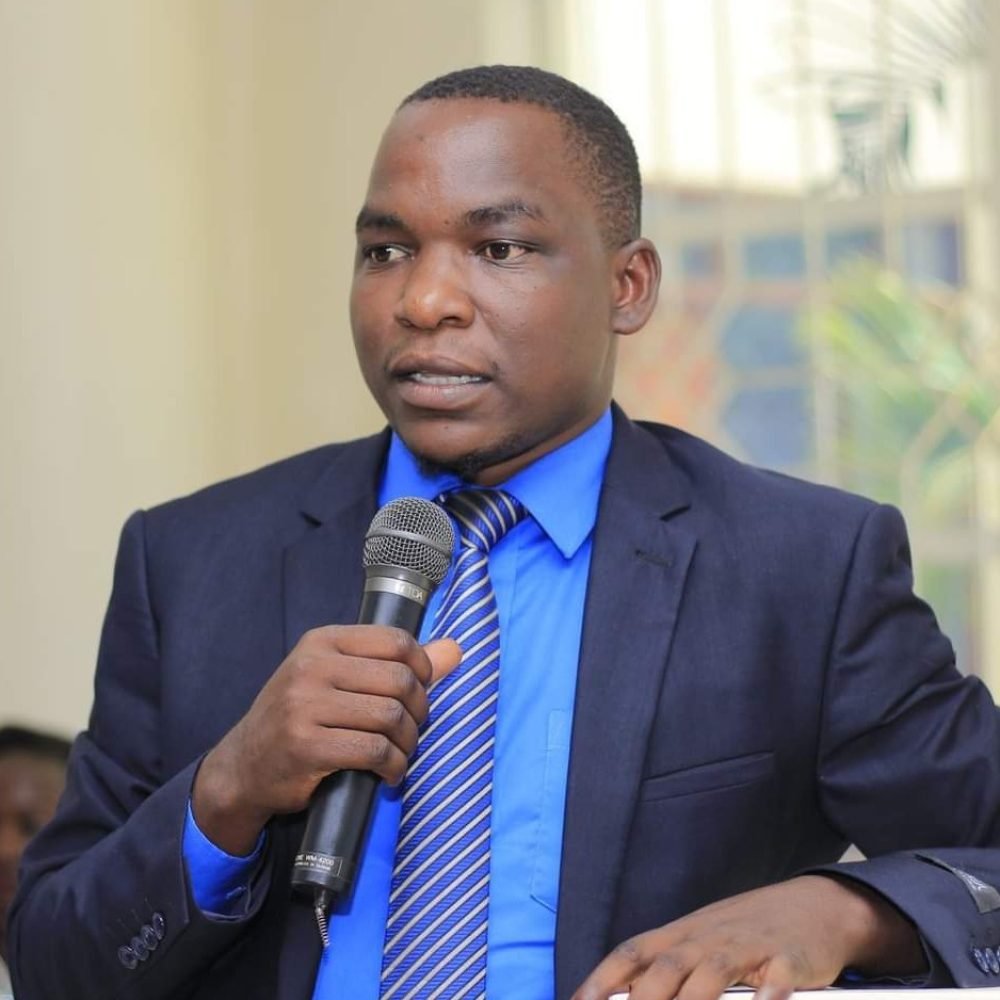
Coordinated by Ms Mary Namukose of Women in GIS Uganda (WiGIS), in collaboration with Action for Liberty and Economic Development, Africa (ALED), the team convened a Climate Dialogue, locally known as a Baraza. The event brought together SACCO members (including the Twekembe Women’s Group), civil society leaders, activists, local government officials, youth, climate experts, and environmentalists.
This engagement explored how SACCOs could become champions of environmental and climate action, enhance waste management, and promote financial prosperity for their members.
“Poor waste management presents multiple challenges, from ecosystem interference to loss of aquatic life. We should leverage local structures such as SACCOs for sustainable action to achieve better ecosystem health, poverty eradication, and climate resilience.” — Mrs Bubye Eron Vello, Speaker of Busiro County, Entebbe Municipality.
Impact Snapshot
- SACCOs identified as key partners for waste-to-energy and upcycling initiatives
- Strengthened collaboration between community groups, policymakers, and technical experts
- Renewed momentum for grassroots-driven climate resilience
Phase II: Two days of practical training to transfer skills for change
In early 2024, findings from the Baraza informed a two-day training programme for women and youth from various SACCOs in Entebbe. With support from the Bosch Alumni Network, the project engaged Reform Africa and a local social entrepreneur to provide hands-on skills training on turning waste into opportunity.
Reform Africa is co-founded and led by Faith Aweko, a Bosch Alumna based in Uganda. Aweko is an acclaimed “wastepreneur” who is revolutionizing the waste industry in Uganda and beyond. She taught participants how to transform polythene bags into reusable, durable, and “eco-friendly” bags. Fifty women and youth learned to cut, stitch, and press the material into market-ready products such as shopping bags, wallets, and file covers. This was more than a craft lesson: it was an income-generating skill that also served as a strategy for managing polythene waste for the participants, who were representatives of impoverished communities in Entebbe.
The participants also learned about briquette making from Mr. Njoki Paul, who is championing local conservation and environmental management efforts in Entebbe. Briquettes offer a sustainable alternative to charcoal and firewood, reducing deforestation and household fuel costs while creating another potential revenue stream. They are made from agricultural waste, such as banana peels and maize husks, which are usually considered valueless by most households.
While experts led the training, Bosch Alumni Network members John Socrates Mugabi, Daphne Naudho, and Hannah Bamwerinde facilitated interactive sessions. They challenged participants to apply the knowledge and skills acquired in the sessions to hypothetical scenarios they would later implement in the field.
A Tangible Model for Change
The training concluded with the donation of wastebins to a model home, demonstrating how proper waste separation and disposal can work in practice. These model homes now serve as a living classroom, inspiring visitors to adopt similar practices.
Outcomes and Impact
- Economic empowerment: Women and youth gained marketable skills in bag-making and briquette production, opening new income streams.
- Creativity and innovation: Participants learned to use simple tools such as needles, scissors, and flat irons to produce a variety of products from waste.
- Partnerships strengthened: Links with Entebbe Municipal Council, climate organisations, and SACCO networks deepened as participants interacted and sought long-lasting partnerships.
- Community education: The model home and dustbin donation became a focal point for awareness-raising on waste management.
- Youth leadership: The Entebbe Ghetto Youth Association now runs a workshop replicating the skills learned from Reform Africa, and many of their members earn their livelihoods from selling the products from recycled polythene material.
- Policy engagement: In March 2025, trained women and youth were invited to lead the municipal Tweyonje Initiative, an environmental management program, positioning them to access local grants for environmental projects.
“This Climate Baraza and the training that followed have shown the untapped potential of SACCOs as agents of sustainable climate action.” — John Mugabi, Co-founder of ALED
Impact Snapshot
- 50 women and youth trained in bag-making and briquette production
- 3 model areas established as a community waste management showcase
- Youth from the Entebbe Ghetto Youth Association are now earning a livelihood from recycled products
- Strengthened collaboration between community groups, policymakers, and technical experts
We understood that SACCOs were no longer just financial institutions; they emerged as reliable climate actors, linking economic empowerment with environmental stewardship. The Entebbe experience underscored a key insight: functional local structures can pivot into climate leadership when given the tools, trust, and a platform for action.